The good news is most people with cataracts are suitable for surgery.
It is one of the most commonly performed and successful procedures in the UK, and it is routinely carried out in patients with a wide range of ages and medical backgrounds.
Rather than there being strict “yes or no” criteria, suitability is based on how much your vision is affected and whether surgery is likely to make a meaningful improvement to your day-to-day life.
Because every patient’s eyes and circumstances are different, a comprehensive eye examination with a specialist cataract surgeon is an essential part of the process. This ensures your vision, eye health, and personal needs are fully understood before any treatment is recommended.
How Is Cataract Surgery Suitability Assessed?
Suitability for cataract surgery is confirmed through a detailed eye examination.
During your consultation, your surgeon will assess:
- The severity of your cataract
- The overall health of your eyes
- Your retina and optic nerve
- Your prescription and visual requirements
- Any existing eye conditions
- Your general health and medical history
- Your lifestyle and treatment goals
This thorough assessment allows your surgeon to recommend the most appropriate treatment plan and lens options for your individual needs.
Can You Be Too Old for Cataract Surgery?
No – many patients successfully undergo cataract surgery in their 60s, 70s, 80s and even 90s.
What matters most is your overall health, the condition of your eyes, and whether cataracts are affecting your quality of life.
If blurred vision is making everyday activities such as reading, driving or recognising faces more difficult, cataract surgery may still offer significant benefits regardless of your age.
Can You Have Cataract Surgery With a Pacemaker?
Yes – cataract surgery is a highly routine procedure and many patients with pacemakers undergo treatment successfully every year.
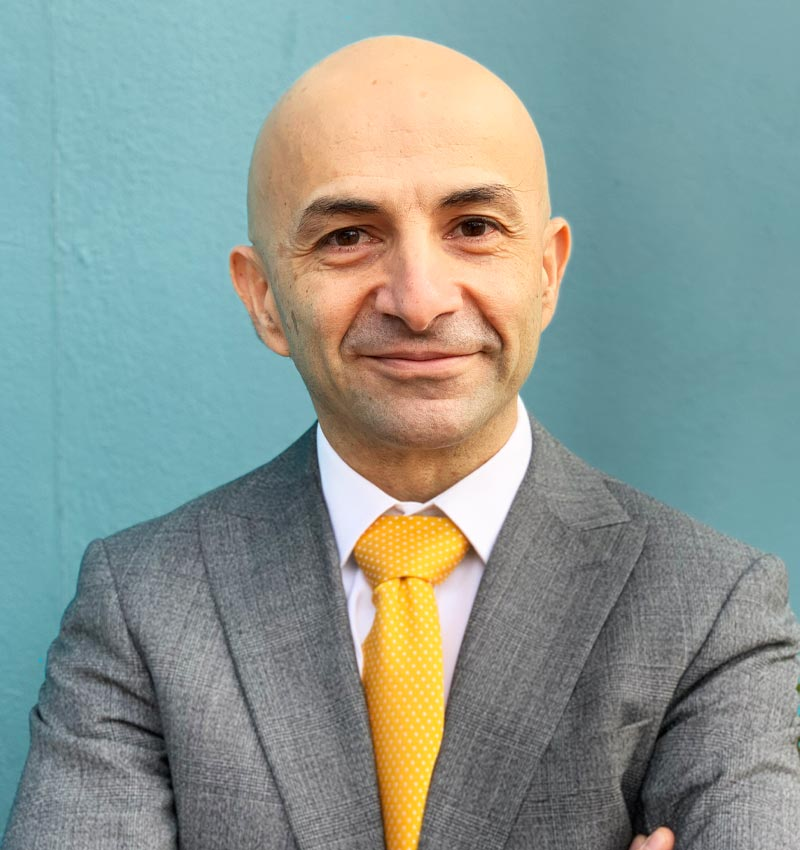
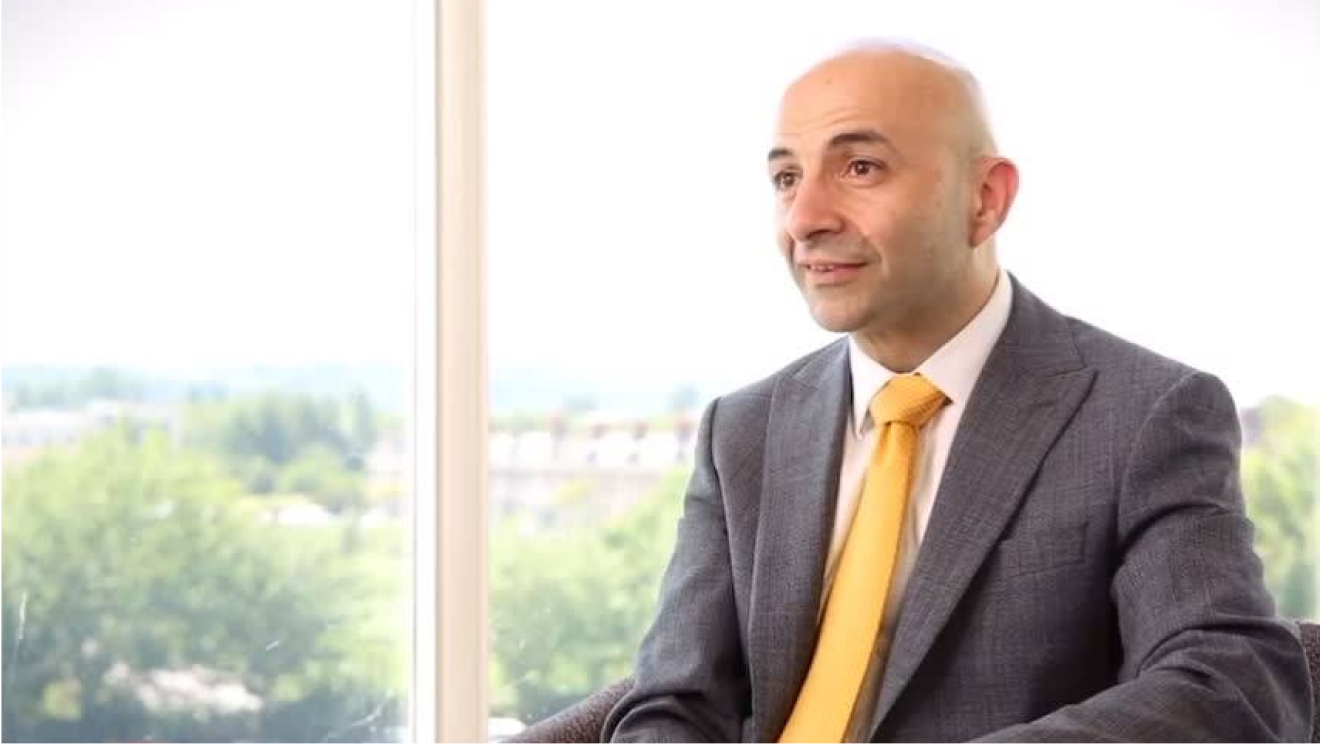
Before your procedure, Professor Muhtaseb will review your medical history and any medications you take. If necessary, he may liaise with your cardiology team to ensure everything is managed appropriately.
If you have concerns about your heart condition or pacemaker, it is always important to discuss them during your consultation.
Can You Have Cataract Surgery Twice?
Yes, although the answer varies depending on your circumstances.
If you have cataracts in both eyes, each eye can be treated with cataract surgery. Many patients have surgery on one eye first, followed by the second eye at a later date.
If you’re wondering whether a cataract can come back after surgery, the answer is no. During cataract surgery, the cloudy natural lens is removed and replaced with an artificial lens implant, so the cataract itself cannot return.
However, some people develop a condition called posterior capsule opacification (PCO), sometimes known as a secondary cataract. This occurs when the membrane behind the replacement lens becomes cloudy, causing symptoms that can feel similar to a cataract. If this happens, it can usually be treated quickly with a YAG laser procedure.
Can You Have Cataract Surgery Under General Anaesthetic?
Whilst cataract surgery is most commonly performed under local anaesthetic using numbing eye drops, some patients may be suitable for a general anaesthetic instead.
If you feel particularly anxious about surgery, have difficulty lying still, suffer from certain neurological conditions, or have other medical needs it may be possible to have a general anaesthetic. In many cases a local anaesthetic with sedation allows for a routine and comfortable procedure.
During your consultation, Professor Muhtaseb will discuss your medical history and any concerns you may have before recommending the most suitable anaesthetic option for you.
Can I Have Cataract Surgery if I’m on Antibiotics?
Yes – in most cases, taking antibiotics does not affect your suitability for cataract surgery.
What’s more important is the reason you are taking them. If you are currently being treated for an active infection, particularly an eye infection, it may be recommended to delay cataract surgery until this has fully resolved to reduce the risk of complications.
Can You Have Cataract Surgery With Vertigo?
Yes, many people with vertigo or balance problems can still have cataract surgery safely. However, it is important to tell your surgeon about your symptoms during your consultation.
Cataract surgery requires you to lie flat and keep your head still for a short period of time. Depending on the cause and severity of your vertigo, adjustments may be needed to help keep you comfortable throughout the procedure.
Can You Have Cataract Surgery If You Have Glaucoma?
In many cases, yes.
Glaucoma and cataracts commonly occur together, particularly as we get older. Having glaucoma does not automatically mean you cannot have cataract surgery.
In fact, cataract surgery can sometimes help reduce pressure inside the eye, and combined procedures with Minimally Invasive Glaucoma Surgery (MIGS) such as iStent are now the gold standard for glaucoma patients that are having cataract surgery.
Every cataract patient that also has glaucoma should be informed of the benefits and risks of combining cataract surgery with a MIGS procedure such as iStent, and should be offered this option. iStent is a fast and straightforward procedure that is performed at the end of cataract surgery and adds about 10 minutes to the duration of surgery. The benefit of iStent is to optimise control of eye pressure and reduce the risk of irreversible damage to vision from glaucoma when compared to having cataract surgery alone without iStent. Some patients are also able to reduce or stop their glaucoma drop medication.
Because glaucoma affects everyone differently, the health of your optic nerve, your eye pressure, and the stage of your glaucoma will be carefully assessed before you’re advised on the best treatment options.
> Find out more about the benefits of combining cataract surgery and minimally invasive glaucoma surgery (MIGS) here.
Can You Have Cataract Surgery If You Have Macular Degeneration?
Many patients with age-related macular degeneration (AMD) assume they are not suitable for cataract surgery, but this is not necessarily the case.
Although cataract surgery cannot treat macular degeneration itself, removing a cataract allows more light to reach the retina and improves the overall quality and brightness of your vision. For all patients, including those with AMD, this can make everyday activities easier and more comfortable.
The amount of improvement you can expect will depend on the severity of your macular degeneration and the overall health of your retina.
Can You Have Cataract Surgery If You Have Diabetes?
Yes – people with diabetes commonly develop cataracts and regularly undergo cataract surgery with excellent results.
Before surgery, the health of your retina will be carefully assessed to check for any signs of diabetic eye disease. If diabetic retinopathy is present, this may influence the timing of your treatment or the advice you receive regarding your expected outcomes.
Good diabetic control before and after surgery can help support healing and maintain long-term eye health.
Can You Have Cataract Surgery After Laser Eye Surgery?
Yes – previous laser eye surgery does not prevent you from having cataract surgery later in life.
However, previous laser vision correction can make lens calculations more complex because the shape of the cornea has been altered. Very specialist measurements and mathematical calculations are required to achieve the best possible results.
Can You Have Cataract Surgery If You Have Astigmatism?
Yes. Astigmatism is extremely common and does not prevent cataract surgery. In fact, modern cataract surgery can often correct astigmatism at the same time as removing the cataract.
Specialist toric lens implants are designed to reduce the blurred vision of astigmatism, helping many patients achieve clearer vision and reduce their reliance on glasses after surgery.
During your consultation at iLase, Professor Mohammed Muhtaseb will discuss the different lens options available to you, to help you make an informed choice.
What Disqualifies You From Cataract Surgery?
There are some situations where cataract surgery may need to be delayed or approached differently, depending on your eye health and overall medical condition.
You may not meet the requirements for cataract surgery if you:
- Are in very poor health or have a serious medical condition
- Have advanced macular degeneration
- Have a detached retina
- Have a medical condition of the eyes, such as an infection
- Lack of potential vision even if cataract is removed (usually due to other severe eye diseases)
Find Out Whether Cataract Surgery Is Right for You
While many people are suitable candidates for cataract surgery, every patient is different.
At iLase, Professor Mohammed Muhtaseb personally assesses every patient and takes the time to understand their vision concerns, medical history and treatment goals. Following a comprehensive examination, he will explain your options clearly and provide tailored recommendations based on your individual needs.
If you’re considering cataract surgery and would like expert advice on your suitability, book a consultation with iLase today and take the first step towards clearer vision.
Am I suitable for cataract surgery?
Contact us to discuss your options
Related Articles